Premier Paving Services Authority Guide

The Complete Driveway Maintenance Guide

Learn how to clean, protect and maintain resin bound driveways, block paving, tarmac and tar and chip surfaces. Proper maintenance helps prevent weeds, stains, moss, drainage problems and avoidable surface damage.

Resin maintenance Block paving care Tarmac repairs Tar & chip aftercare Stain removal
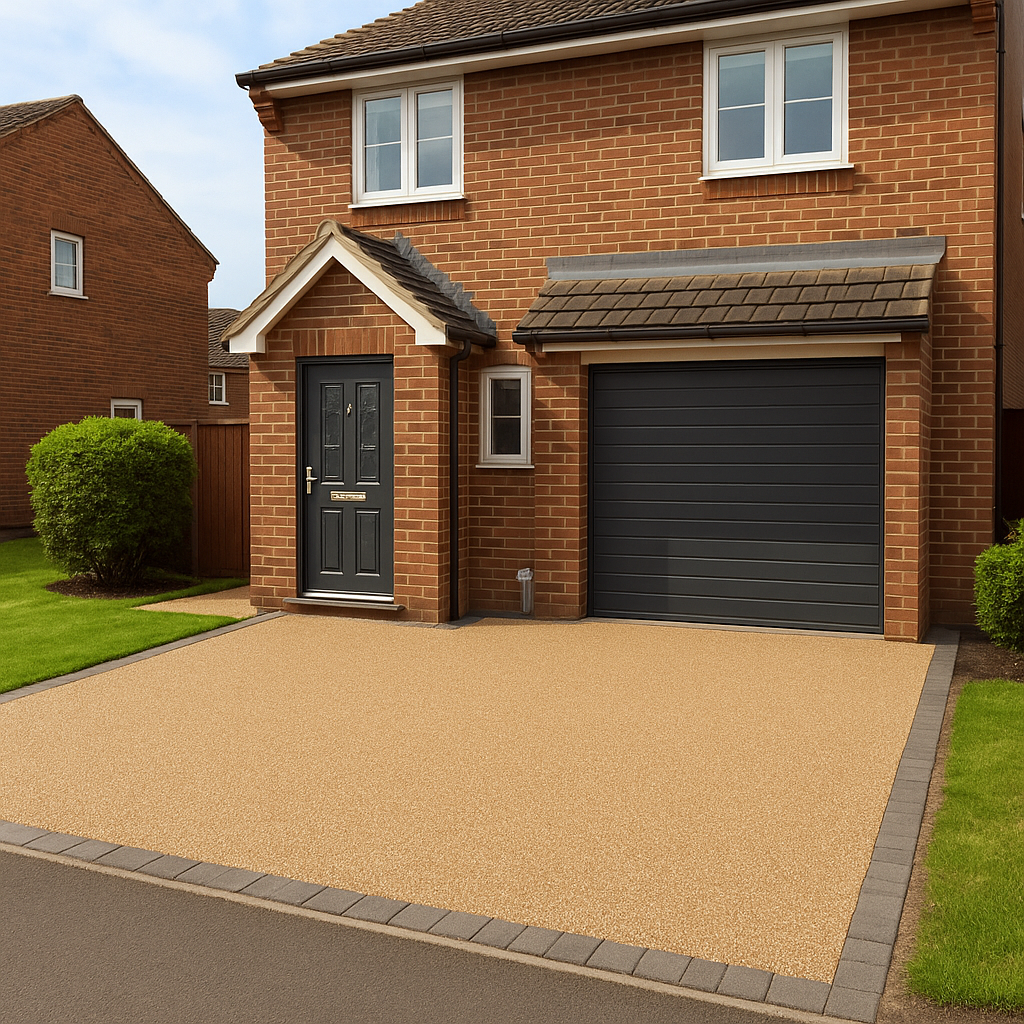
Well-maintained resin bound driveway outside a residential property
Regular sweeping, careful washing and early treatment of stains can help keep a driveway looking its best.

Why driveway maintenance matters

A driveway is exposed to vehicles, weather, rainwater, dirt, leaves, fuel, oil and temperature changes throughout the year. Even a correctly installed driveway benefits from sensible maintenance.

Regular care does not need to be complicated. Sweeping away leaves, keeping drainage channels clear and dealing with stains quickly can make a noticeable difference to both appearance and long-term performance.

Maintenance requirements vary by surface. Resin bound driveways need different care from block paving, while tarmac and tar and chip surfaces should not be cleaned in exactly the same way.

  • Helps prevent moss, algae and weed growth
  • Reduces the risk of blocked drainage channels
  • Makes oil and fuel stains easier to remove
  • Helps identify cracks and movement early
  • Protects the appearance of the driveway
  • Can reduce the need for larger repairs later

Maintenance does not repair a failed base

Cleaning and sealing cannot correct serious movement, sinking, failed groundwork or poor drainage. If the driveway is moving, breaking up or holding significant water, it should be professionally assessed.

See our Driveway Cost Guide for an explanation of how groundwork and preparation affect the cost and lifespan of a driveway.

How often should you maintain your driveway?

The right schedule depends on the surface, surrounding trees, shade, traffic and drainage. The table below is a practical starting point.

Driveway surface Regular sweeping Thorough cleaning Joint or surface care Inspection
Resin bound Weekly or as required Once or twice yearly Remove moss, debris and stains promptly At least annually
Block paving Weekly or as required Once or twice yearly Check joints and replace lost sand At least annually
Tarmac Regularly Usually annually Inspect cracks, edges and fuel stains At least annually
Tar and chip Light sweeping when necessary Gentle cleaning only Monitor loose stone and worn areas At least annually
Concrete Regularly Usually annually Inspect joints, cracks and staining At least annually
Gravel Remove leaves regularly Rake and level as required Top up low areas and maintain edging Several times yearly
Clean resin bound driveway requiring regular sweeping and careful washing
Resin bound surfacing is generally low maintenance, but debris and stains should still be dealt with promptly.

Resin bound driveway maintenance

Resin bound driveways are normally easy to maintain because the stone is fixed into the resin rather than left loose. Regular sweeping is one of the most important maintenance tasks.

Leaves, soil and organic debris can create a place for moss and weeds to establish. This is especially relevant beneath trees, beside garden beds or in shaded areas that remain damp.

How to clean a resin driveway

  • Sweep with a stiff but non-metallic broom.
  • Remove leaves, mud and organic debris regularly.
  • Use clean water and a suitable mild cleaning product when required.
  • Use a pressure washer carefully with a fan spray.
  • Keep the nozzle moving and avoid concentrating pressure in one place.
  • Maintain a safe distance from edges, joints and repairs.
  • Keep drainage channels and outlets clear.

What to avoid on resin

  • Do not use a powerful concentrated jet close to the surface.
  • Avoid metal snow shovels or sharp tools that may scratch the finish.
  • Do not use strong chemicals without checking product suitability.
  • Avoid dragging skips, machinery or heavy metal objects across the surface.
  • Do not allow petrol, solvents or oil spills to remain untreated.

For installation information, visit our Resin Bound Driveways page.

Block paving maintenance

Block paving is durable and repairable, but it normally requires more joint maintenance than resin or tarmac. The spaces between the blocks contain jointing sand, which helps stabilise the paving.

Pressure washing, heavy rain and regular traffic can gradually remove jointing material. When joints become empty, blocks may become less stable and weeds can establish more easily.

Routine block paving care

  • Sweep leaves and soil away before they settle into the joints.
  • Remove small weeds before roots become established.
  • Wash carefully using a suitable patio or paving cleaner.
  • Pressure wash diagonally rather than directing water along the joints.
  • Allow the paving to dry fully before replacing jointing sand.
  • Brush kiln-dried sand into clean, dry joints where required.
  • Check edges, channels and sunken blocks each year.

Should block paving be sealed?

A compatible block paving sealer may help reduce staining and stabilise joints, but sealing is not a substitute for correct preparation or maintenance. The paving should be clean, dry, stable and properly re-sanded before any suitable treatment is applied.

Unsuitable products or poor application can leave a patchy, slippery or discoloured finish. Manufacturer instructions should always be followed.

See our Block Paving Driveways service page.

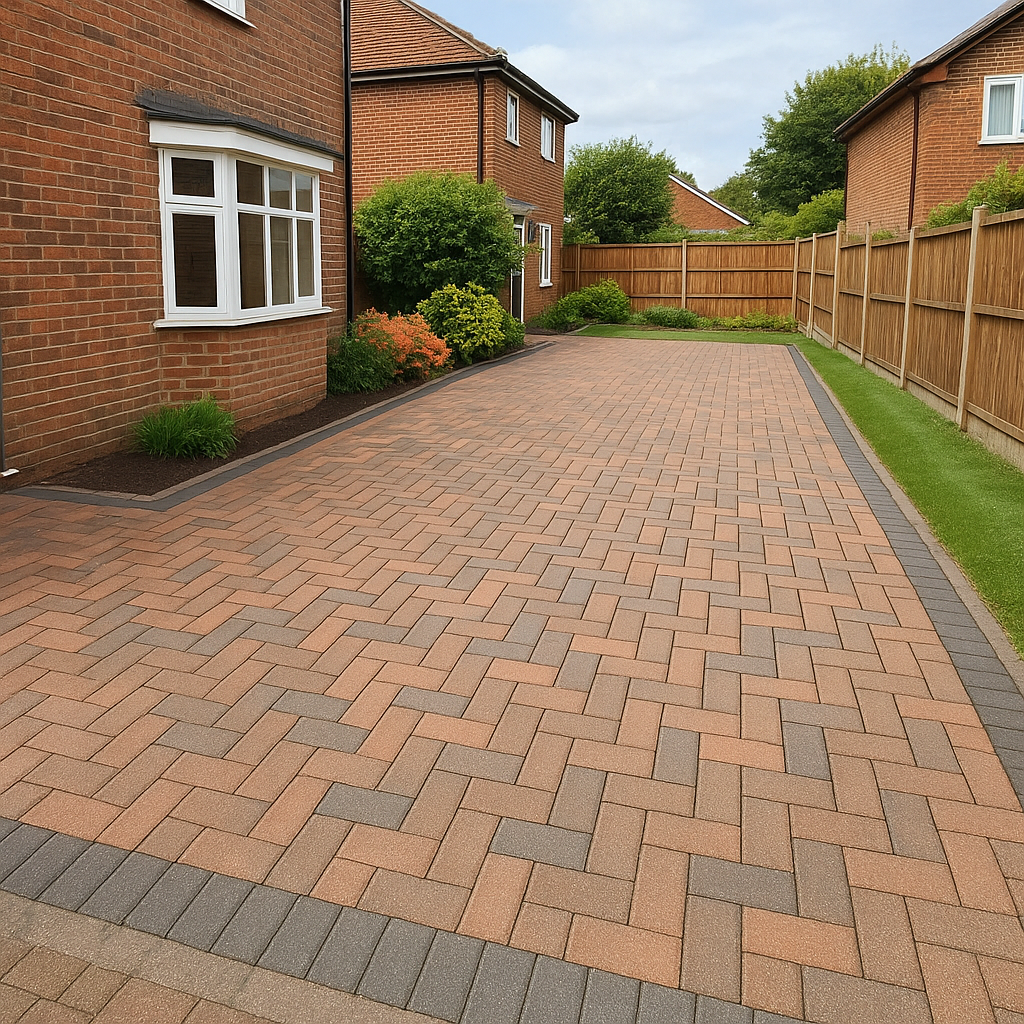
Maintained block paving driveway with clean joints and contrasting border
Keeping joints filled and removing weeds early can help block paving retain its appearance and stability.
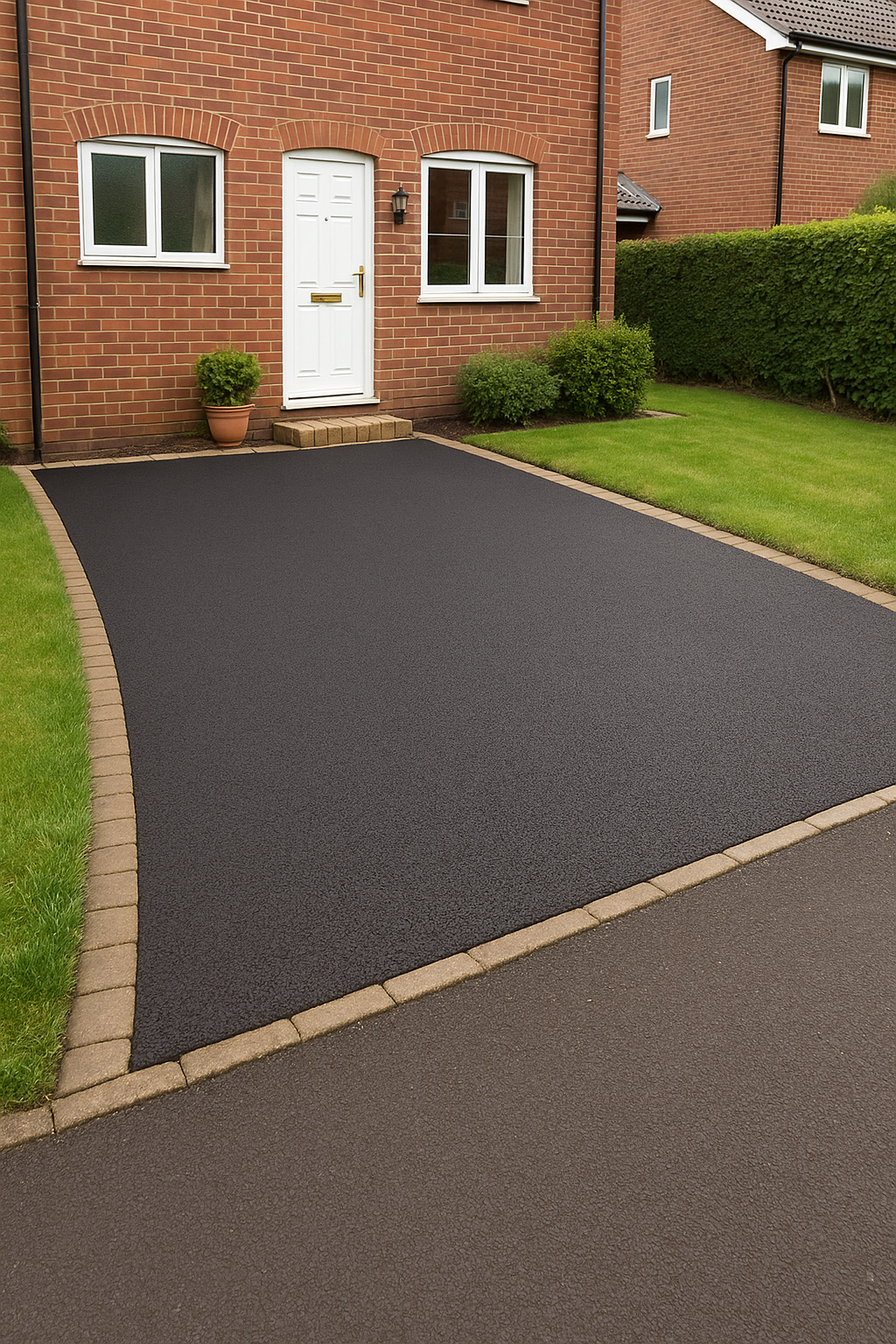
Fresh tarmac driveway with clean edges and drainage channels
Tarmac maintenance focuses on preventing fuel damage, monitoring cracks and protecting vulnerable edges.

Tarmac driveway maintenance

Tarmac provides a practical and hard-wearing surface, but fuel spills, poor drainage, edge damage and movement in the base can shorten its lifespan.

New tarmac should be allowed to settle and harden properly. During warm weather, the surface can become slightly softer, particularly when newly installed.

How to look after tarmac

  • Sweep away stones, leaves and debris regularly.
  • Clean oil, petrol and diesel spills as quickly as possible.
  • Avoid repeatedly turning the steering wheel while the vehicle is stationary.
  • Use boards or spreader plates beneath heavy point loads where appropriate.
  • Keep drainage channels and gullies clear.
  • Inspect cracks before water penetrates and makes them worse.
  • Protect unsupported edges from vehicle loading.

Tarmac cracks and repairs

A fine isolated crack may be suitable for sealing or local repair, while widespread cracking, sinking or breakup can indicate a deeper base problem. Simply coating a failed surface will not correct movement underneath.

Early crack treatment can reduce water penetration, particularly before winter. Larger failures should be cut out and properly reinstated rather than hidden beneath a temporary coating.

Learn more about our Tarmac Driveways.

Tar and chip driveway maintenance

Tar and chip, also known as surface dressing, has a different maintenance profile from resin, tarmac or block paving. The surface is created by applying a bituminous binder and embedding aggregate chippings into it.

Some loose chippings are normal following installation. Traffic and rolling help settle the aggregate into the binder, while excess stone may remain on the surface during the early period.

New tar and chip aftercare

  • Drive steadily and avoid aggressive acceleration or braking.
  • Avoid sharp stationary steering where possible.
  • Allow normal traffic to help settle the aggregate.
  • Sweep genuinely excessive loose stone only after the surface has settled.
  • Do not pressure wash a newly dressed surface.
  • Keep heavy vehicles off until the installer advises the surface is ready.

Long-term tar and chip care

  • Remove leaves and organic debris gently.
  • Treat weeds growing from edges before they spread.
  • Keep water flowing away through clear drainage routes.
  • Avoid a powerful pressure washer that may dislodge stone.
  • Monitor turning areas where tyres place extra stress on the surface.
  • Inspect bare, polished or worn areas before widespread failure develops.

When does tar and chip need resurfacing?

A further surface dressing may be considered when the binder has aged, the aggregate has become polished, isolated areas are losing stone or the surface is becoming increasingly porous.

The correct timing depends on traffic, base condition, exposure, drainage and the original system. Localised structural failures should be repaired before another dressing is installed.

Read about our Tar and Chip Driveways.

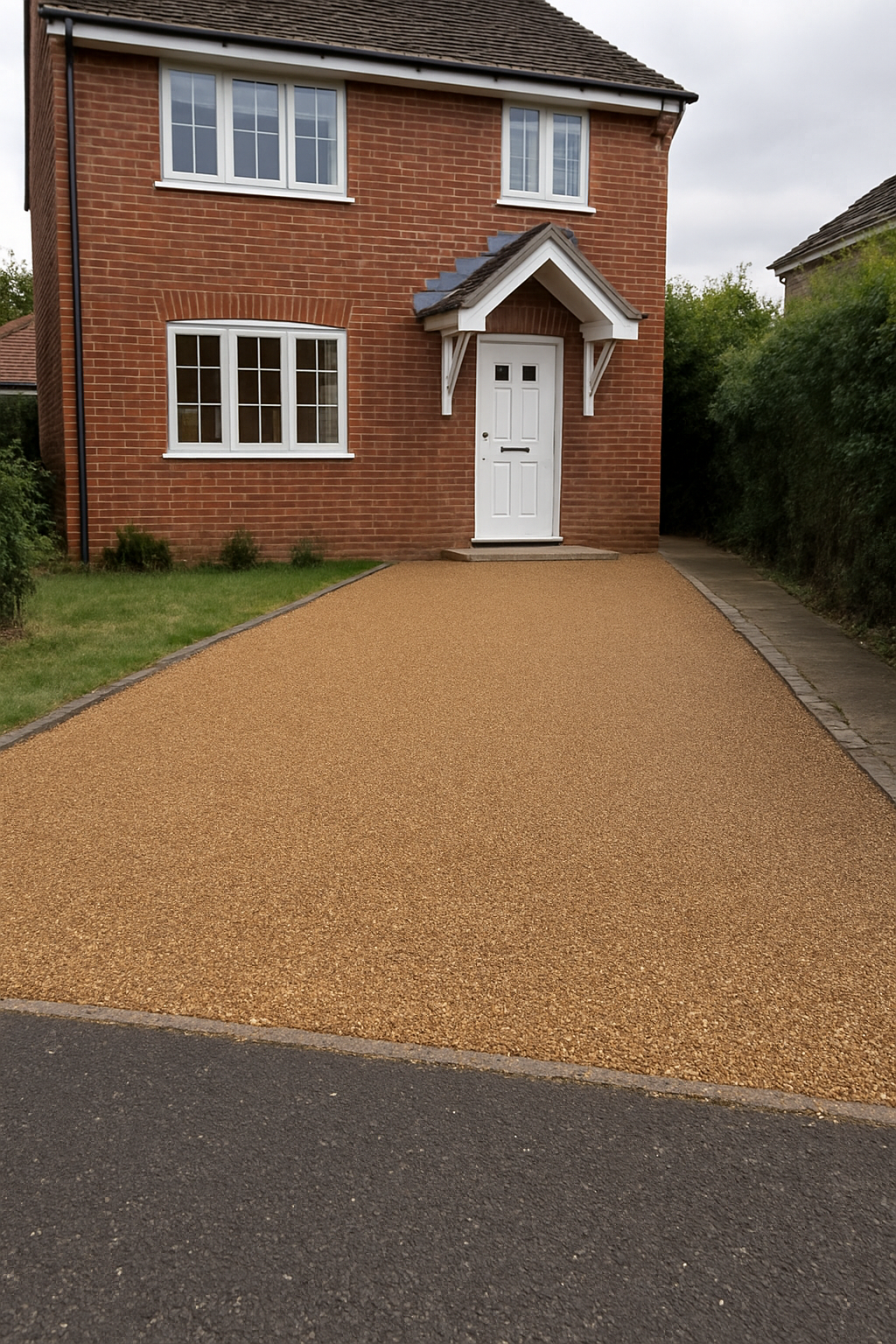
Golden tar and chip driveway at a rural property
Tar and chip should be cleaned gently to avoid dislodging embedded aggregate.

How to remove common driveway stains

Act quickly, use a product suitable for the surface and test any cleaner in a small inconspicuous area before treating the entire stain.

01

Engine oil

Immediate action

Absorb fresh oil with a suitable absorbent material rather than immediately spreading it with water.

Treatment

Use a driveway-safe oil remover compatible with the particular surface and follow the product instructions.

Prevention

Repair leaking vehicles and use a drip tray until the fault is corrected.

02

Diesel and petrol

Immediate action

Absorb the spill promptly and keep ignition sources away.

Treatment

Contact a professional if fuel has softened or damaged tarmac or bituminous surfacing.

Prevention

Do not ignore leaking fuel systems, especially on tarmac and tar-based surfaces.

03

Tyre marks

Cause

Hot tyres, tight steering and vehicle movement can leave marks on some surfaces.

Treatment

Start with mild detergent and water before using stronger compatible cleaning products.

Prevention

Avoid stationary steering and repeated tight turning in the same area.

04

Rust stains

Cause

Metal furniture, skips, tools and vehicle components can leave rust deposits.

Treatment

Use a surface-compatible rust remover and test it first to avoid discolouration.

Prevention

Keep rusty metal items off decorative driveway surfaces.

05

Leaf and berry stains

Cause

Wet leaves, fruit and berries can release tannins and pigments.

Treatment

Remove debris and wash with a mild compatible cleaner before staining becomes established.

Prevention

Sweep more frequently during autumn and beneath fruiting trees.

06

Moss and algae

Cause

Shade, dampness and accumulated organic matter encourage growth.

Treatment

Apply a surface-compatible moss treatment and remove dead growth carefully.

Prevention

Improve drainage, sweep debris and reduce persistent shade where practical.

07

Paint

Immediate action

Contain wet paint without spreading it across a larger area.

Treatment

Removal depends on the paint type and driveway surface. Strong solvents may damage resin or bitumen.

Prevention

Protect the surface fully during decorating or building work.

08

Tree sap

Cause

Trees above the driveway can deposit sticky sap that attracts dirt.

Treatment

Use warm water and a compatible mild cleaner before trying stronger products.

Prevention

Regular cleaning reduces buildup beneath overhanging trees.

09

Cement and mortar

Immediate action

Remove wet material carefully without smearing it into the surface.

Treatment

Hardened cement can be difficult to remove without damage. Seek advice before using acidic products.

Prevention

Protect driveways during building, rendering and landscaping work.

Winter driveway maintenance

Winter can expose weaknesses in a driveway. Water enters cracks and joints, freezes, expands and can make existing damage worse. Clearing drainage before cold weather is one of the simplest preventative measures.

  • Clear leaves from channels, gullies and soakaway inlets.
  • Repair significant cracks before prolonged freezing weather.
  • Remove snow with a plastic shovel rather than sharp metal tools.
  • Use de-icing products sparingly and only where surface-compatible.
  • Avoid piling salty snow against borders and planted areas.
  • Check for standing water that may freeze into a slip hazard.

Can salt damage a driveway?

Repeated heavy use of salt may affect certain paving materials, joints, surrounding vegetation and some decorative finishes. Use a suitable product in moderation and check the surface manufacturer's advice.

Removing snow early and keeping the driveway well drained may reduce the amount of de-icing product required.

Hot weather and newly installed surfaces

Newly installed tarmac and bituminous surfacing can be more vulnerable during very warm weather. Tight steering, heavy point loads and stationary vehicles can leave marks if the surface has not fully hardened.

Follow the installer's aftercare advice and avoid aggressive vehicle movements during the early settling period.

Summer driveway maintenance

Summer maintenance usually focuses on dry dirt, dust, tyre marks, weeds and the effect of prolonged sunlight or heat on certain materials.

  • Sweep dust and grit away before washing.
  • Remove weeds before they flower or spread seed.
  • Avoid washing during extreme heat where water dries immediately.
  • Monitor tree roots and movement near driveway edges.
  • Remove bird droppings, berries and sap promptly.
  • Check that garden watering is not repeatedly soaking one driveway edge.

Common driveway maintenance mistakes

Well-intentioned cleaning can cause damage when the wrong equipment, pressure or chemical is used.

Excessive pressure washing

A concentrated jet can remove jointing sand, loosen aggregate and damage vulnerable edges.

Using strong bleach

Strong bleach can discolour some surfaces and damage plants. Use only an approved compatible cleaner.

Ignoring fuel spills

Petrol and diesel can soften and damage bituminous surfaces if left untreated.

Stationary steering

Turning vehicle wheels while stationary places concentrated stress on tarmac, resin and tar and chip.

Leaving joints empty

Block paving joints should be maintained after cleaning to support the blocks and reduce weed growth.

Using cheap sealers

An unsuitable sealer can turn cloudy, peel, trap moisture or leave the surface slippery.

Ignoring drainage

Standing water can encourage algae, weaken construction layers and worsen cracks during winter.

Hiding structural failure

Cleaning or coating cannot repair a failed base, widespread movement or serious sinking.

Annual driveway inspection checklist

Walk over the driveway at least once each year and inspect it after severe weather or heavy construction traffic.

Surface condition

  • Cracks or breakup
  • Loose aggregate
  • Sunken blocks
  • Resin damage
  • Tyre scuffing

Drainage and levels

  • Blocked channels
  • Standing water
  • Water against the house
  • Runoff onto paths
  • Soft driveway edges

Surrounding features

  • Moving kerbs
  • Tree root damage
  • Failed walling
  • Loose manhole covers
  • Damaged thresholds

When should you call a driveway contractor?

Professional advice is recommended where the driveway has widespread cracking, repeated sinking, large areas of loose material, failed drainage, fuel damage or movement around manhole covers and thresholds.

Early repairs can be more economical than waiting for water and vehicle traffic to turn a localised fault into a larger failure.

Premier Paving Services

Driveways and surfacing across Kent, Surrey, East Sussex and West Sussex.

Freephone:
0800 861 1678

Email:
sales@paving-services.uk

Driveway maintenance FAQs

How often should I clean my driveway?

Most driveways benefit from regular sweeping and a thorough wash once or twice each year. Driveways beneath trees, in shade or beside planting may need more frequent cleaning.

Can I pressure wash a resin bound driveway?

Normally yes, but use a fan spray, moderate pressure and a sensible distance. Keep the nozzle moving and avoid directing a concentrated jet at edges, joints or repairs.

Should I re-sand block paving after pressure washing?

Yes, if jointing sand has been removed. Allow the block paving to dry fully and brush suitable kiln-dried sand into clean, dry joints.

How do I stop weeds growing through block paving?

Sweep away soil and organic debris, maintain the jointing sand and remove young weeds before they establish. Most weeds begin in material collected within the joints rather than growing through a properly built sub-base.

How do I remove oil from a driveway?

Absorb fresh oil immediately, then use a compatible driveway oil remover. Test cleaning products in a small hidden area and follow the manufacturer's instructions.

Does tarmac need sealing?

Not always. A suitable professional treatment may help protect certain ageing surfaces, but cracks, drainage problems and loose areas should be repaired first.

Is loose stone normal on a tar and chip driveway?

Some loose chippings are normal after installation. Traffic and rolling help embed the stone, while genuinely excessive loose material can be swept carefully after the initial settling period.

Can I use weed killer on my driveway?

Use only a product suitable for the paving surface and surrounding planting. Follow the manufacturer's instructions and prevent runoff into drains or ponds.

Can salt damage a driveway?

Excessive de-icing salt can affect some materials, joints and nearby plants. Use a suitable product sparingly and remove snow promptly where practical.

Why does moss keep returning?

Persistent dampness, shade, poor airflow and organic debris encourage moss. Cleaning alone may not solve the problem unless drainage and surrounding conditions are also improved.

Can driveway cleaning repair cracks?

No. Cleaning can reveal damage but does not repair it. Cracks should be assessed and treated appropriately before water penetration makes them worse.

How do I know if my driveway needs replacing?

Widespread sinking, severe breakup, repeated repairs, major drainage failure and movement across large areas can indicate that reconstruction may be more suitable than another local repair.

Need help with an ageing or damaged driveway?

Send us photographs of the surface or arrange a free site visit. We can advise whether cleaning, local repairs, resurfacing or a new installation is the most practical option.

Prevent water-related driveway problems

Good maintenance begins with water being managed correctly. See our driveway drainage guide for information about standing water, falls, channels, permeable construction and soakaways.