
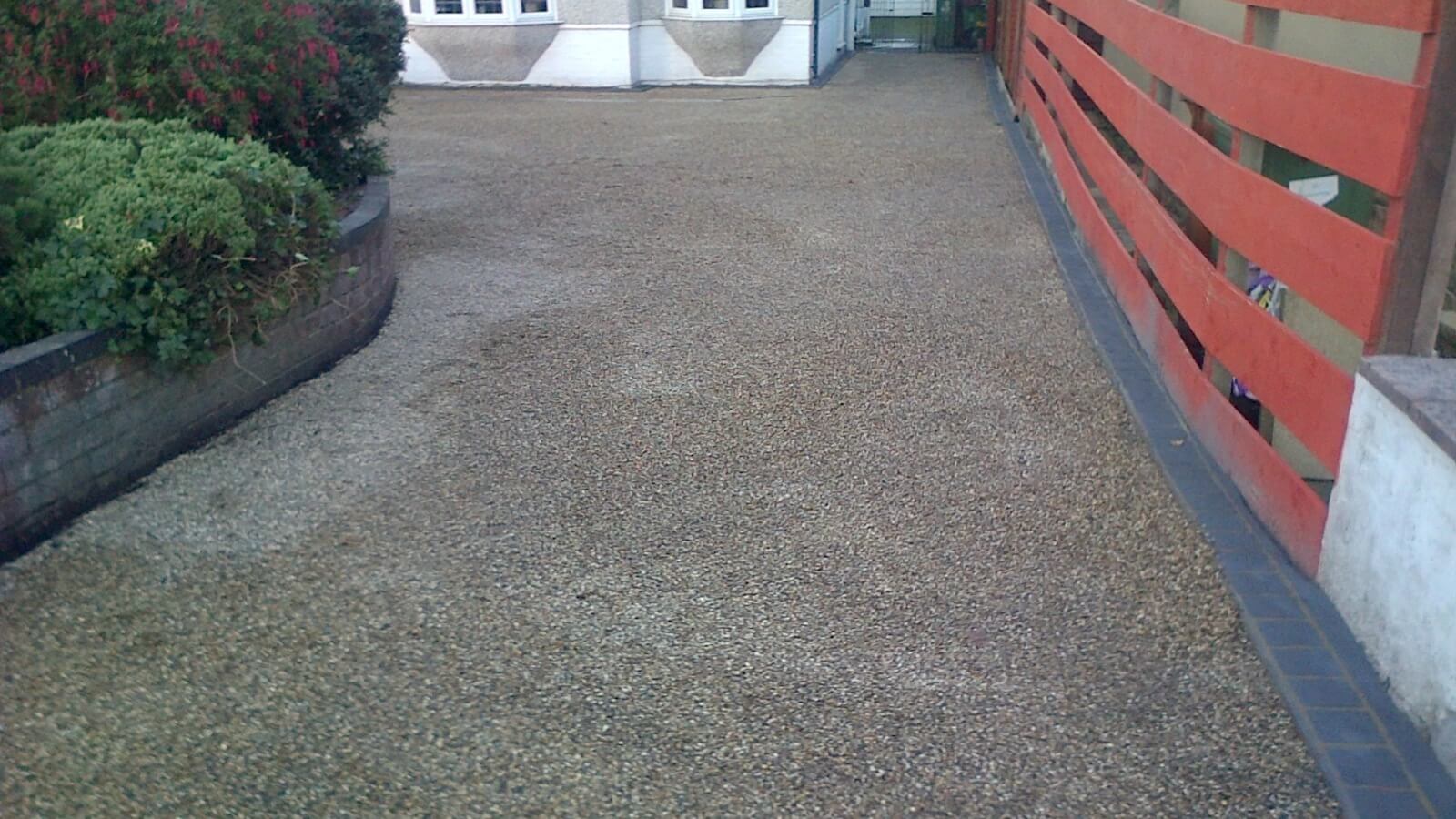
Quick rule: tar & chip follows the base
Surface dressing creates a new wearing layer — it does not rebuild a failing driveway. If the surface is collapsing, pumping water, moving under wheels, or breaking up into loose material, we normally recommend addressing the base first.
Typical “not suitable” warning signs
- Soft spots: wheels sink, rutting or “spongy” areas.
- Standing water: dips/puddles that don’t drain after rain.
- Loose base: unbound stone that moves or pushes out at edges.
- Severe cracking/movement: large splits, heaving, or ongoing settlement.
- Heavy turning in tight areas: repeated tight turns can scuff and disturb new dressing.
If you send a wide photo and a close-up on WhatsApp, we can usually tell you quickly whether it’s a “yes”, “maybe”, or “no”.
Fast suitability check
Send photos and tell us: 1) how long the surface has been down, 2) whether water pools anywhere, 3) what vehicles use the drive.
Freephone: 0800 861 1678
WhatsApp: 07534 377 561
A 10–15 second video is ideal.
Common reasons tar & chip isn’t the right choice
These are the most common issues we see when people ask if surface dressing can “cover it and sort it”. In many cases, it needs base work first — otherwise the same problems come back through the new surface.
1) Weak or moving base
If the base is soft, loose or moving under wheels, the surface will move with it. You’ll often see rutting, waves, or break-up.
2) Poor drainage / standing water
Surface dressing needs the driveway to shed water properly. If water pools in dips, it accelerates wear and encourages algae.
3) Severe surface damage
Heavily broken tarmac, crumbling concrete, or deep potholes usually needs repair or rebuild before dressing makes sense.
4) Tight turning & scuffing
Tight manoeuvres (especially with heavier vehicles) can scuff chippings before the surface fully beds in, mainly in small areas.
5) Steep gradients
Steep slopes can be fine in the right setup, but they need correct preparation, binder choice, and traction considerations.
6) Edges not restrained
If edges are weak or uncontained, stone migrates and the finish can look untidy. Edge detailing matters on every job.
“Can you just tar & chip over this?”
If the existing surface is breaking up, the safest answer is usually: not until the base is sorted. Surface dressing can tidy a sound surface. It won’t stabilise a failing one.
What we look for on a survey
- Base firmness: no pumping, rutting, or movement under wheels.
- Levels and falls: water must drain away from buildings and off the surface.
- Repairs required: potholes and soft spots repaired before dressing.
- Entrances and turning: areas that take braking/turning need extra thought.
If you want, we’ll explain what we’d do first (repairs / base work) and why — so you can decide the best route.

A worn or unstable base needs addressing before surface dressing will last.
If tar & chip isn’t suitable, what then?
Most of the time, the answer is simply: repair or rebuild the base first. Once the base is sound and drains properly, tar & chip may become suitable again.
Repair + dress
Fix potholes, soft spots and edge failures first, then apply surface dressing for a tidy, natural finish.
Rebuild weak areas
Where ground conditions are poor, rebuilding sections to a stable base is often the right long-term approach.
Different surface choice
In some settings, another surface may be more suitable depending on traffic, turning, slopes and appearance goals.
Suitability FAQs
Can tar & chip fix potholes?
Not by itself. Potholes and weak spots need repairing first. Surface dressing is a wearing layer, not a structural fix.
Is tar & chip ok on a steep driveway?
Sometimes, but gradients need the correct preparation and detailing. We’ll assess the slope, traction needs and water run-off.
What if my driveway has standing water?
Pooling usually means levels or drainage need correction. Dressing over standing water areas won’t improve the underlying issue.
Does heavy turning cause problems?
Tight turns in one spot can scuff chippings, especially early on. We assess entrances and turning areas during the survey.
Can you surface dress over loose stone or hardcore?
It depends on how well it’s bound and compacted. Loose, moving stone generally needs stabilising and proper preparation first.
Not sure if tar & chip will work on your driveway?
Send photos and we’ll tell you whether it’s suitable or what needs doing first.