
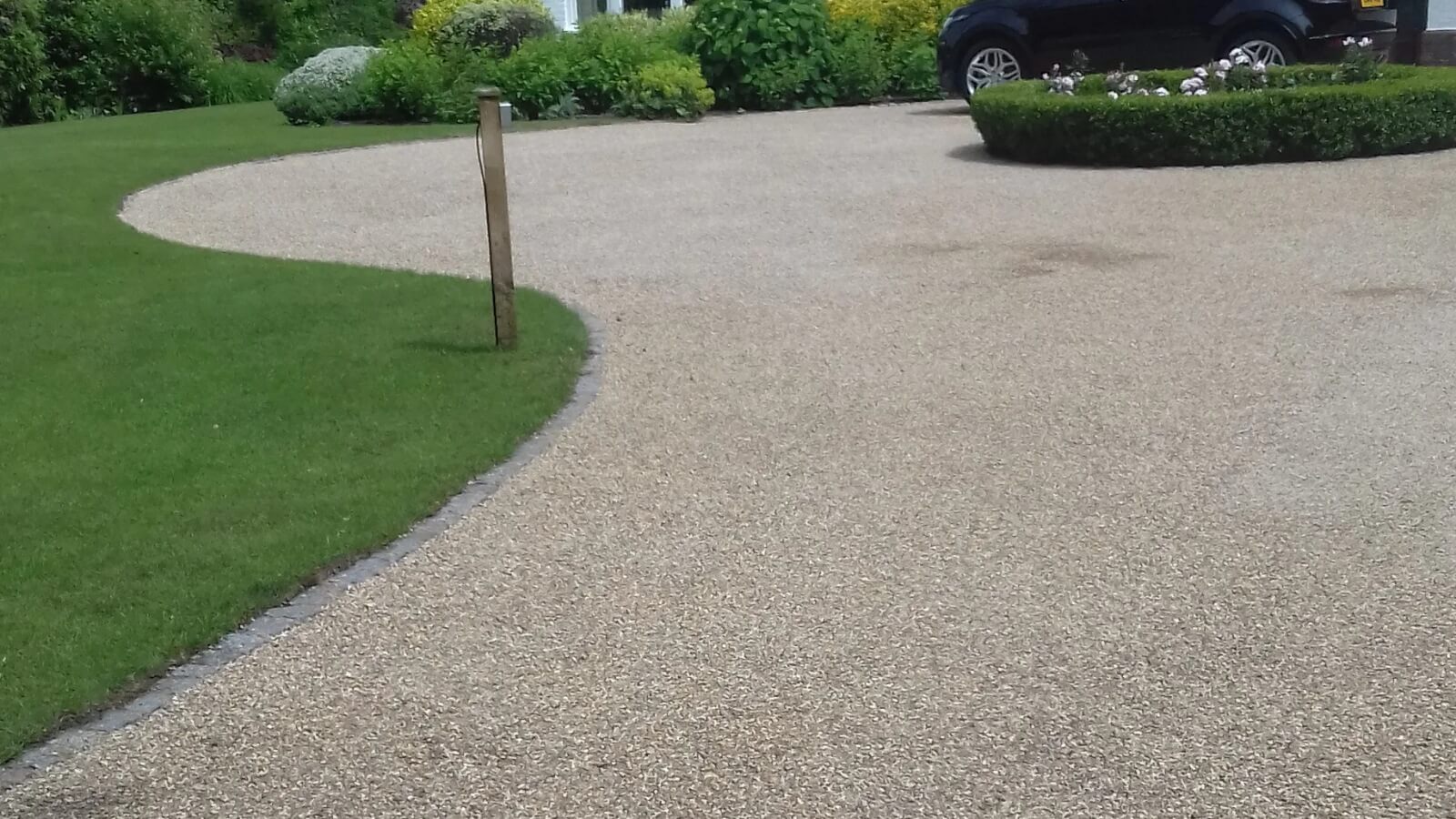
A Kent tar & chip surface that stays firm and tidy
In many parts of Kent, especially where properties sit back from the road or have shared access, tar & chip is a sensible choice. It’s commonly used on longer runs where you want a stable finish with a more natural look than plain tarmac.
The key to a good result is what’s underneath. If the base is weak, holding water, or has failed edges, the surface will not perform as it should. That’s why we focus on repairs, levels and drainage behaviour before the binder and stone are applied.
Where tar & chip works well in Kent
- Rural driveways: long or winding entrances where a natural finish suits the setting.
- Private lanes: shared access tracks where a firm surface reduces mud and dust.
- Farm entrances & yards: practical surfacing for vehicle access and turning areas.
- Large parking areas: where a stable surface and tidy appearance are the priority.
Book a site visit in Kent
We’ll assess the existing surface, check levels and falls, and explain what preparation is needed before quoting. You can also send photos on WhatsApp to speed up initial advice.
Freephone: 0800 861 1678
WhatsApp: 07534 377 561
If possible, include a wide photo, a close-up, and a note of approximate length/width.
What is tar & chip (surface dressing)?
Tar & chip is created by applying a bitumen binder to a suitably prepared base, then spreading graded stone chippings and rolling them in to form the finished surface. The look is similar to a neat country lane — ideal for Kent’s rural areas.
Natural stone appearance
A stone-finished surface that sits well with period properties, rural homes and countryside entrances.
Practical for longer drives
A sensible option for long runs, private lanes and access tracks where you want a stable surface without an overly formal look.
Preparation makes the difference
Repairs, levels, falls and edge restraint matter. A well-prepped base is what makes tar & chip perform properly.
Why some tar & chip jobs fail
When tar & chip disappoints, it’s usually not because of the stone — it’s because of the base condition or water behaviour. If the surface holds standing water, has broken edges, or the track has soft spots, the binder and chippings won’t bed in correctly.
On site, we look for the tell-tale signs: movement, rutting, ponding, weak verges, and patchy previous repairs. From there we recommend a sensible prep plan so the finished surface beds in and stays tidy.
What we check during a Kent site visit
- Base stability: soft spots, rutting, dips and movement.
- Levels & thresholds: ensuring edges and entrances finish neatly.
- Falls & drainage: how water sheds away from the surface.
- Edge restraint: where edges need strengthening for longevity.
- Access & usage: turning areas, delivery vehicles and day-to-day traffic.
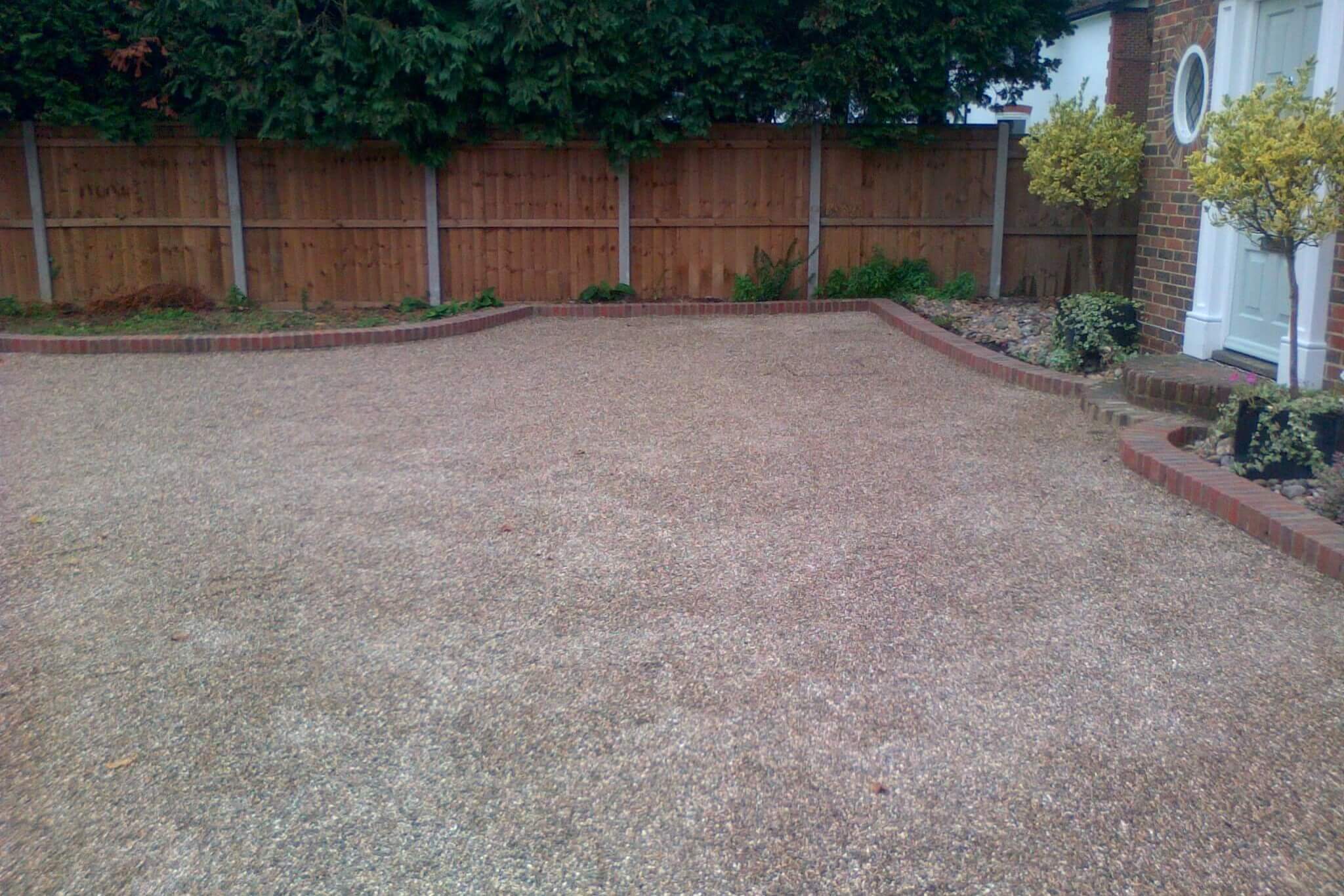
Finished surface after installation.
Our tar & chip installation approach
Every driveway and track is different. We keep the process tidy and structured, focusing on the parts that make the biggest difference: preparation, levels and rolling.
1) Survey & prep plan
We assess the existing surface, identify repairs, and confirm the best approach for a stable base.
2) Repairs & edge work
We address potholes, weak edges and soft spots, and improve levels/falls where needed before dressing.
3) Binder, stone & rolling
Binder is applied evenly, chippings are spread and rolled in for a firm finish. We advise on early use while it beds in.
Areas we cover across Kent
We cover Kent towns and villages including Maidstone, Sevenoaks, Tonbridge, Tunbridge Wells, West Malling, Edenbridge, Cranbrook, Tenterden and surrounding rural areas. If you’re just outside these areas, still get in touch.
Best-fit projects in Kent
- Long rural driveways and private access tracks
- Farm entrances, yards and turning areas
- Shared lanes and private roads needing a tidy finish
- Large driveways where a natural look is preferred
Not sure tar & chip is right?
If a different surface suits your driveway better, we’ll tell you straight and recommend the most practical option for the setting and usage.
For the quickest response, WhatsApp a few photos and your location in Kent.
Message on WhatsAppTar & chip FAQs (Kent)
Is tar & chip suitable for every driveway?
It’s best where there’s a stable base and you want a practical, natural-looking finish — especially on longer drives and rural lanes. We’ll assess your base condition and advise what preparation is needed.
Will there be loose stone afterwards?
Some loose chippings are normal at first. As the surface beds in, it stabilises. We explain what to expect and the best way to use it early on.
How long does installation take?
Time depends on preparation and access. After a site visit we’ll give a clear plan and realistic timescale.
Can tar & chip be used on private lanes and tracks?
Yes — it’s commonly used for private lanes, shared access and longer entrances. Base preparation and water behaviour are the key factors.
Do you cover rural parts of Kent?
Yes. We regularly work across Kent villages and countryside routes. If you’re outside the main towns, still message us with your location and photos.
Need a tar & chip driveway in Kent?
Contact us for advice, site visits and written quotations.